

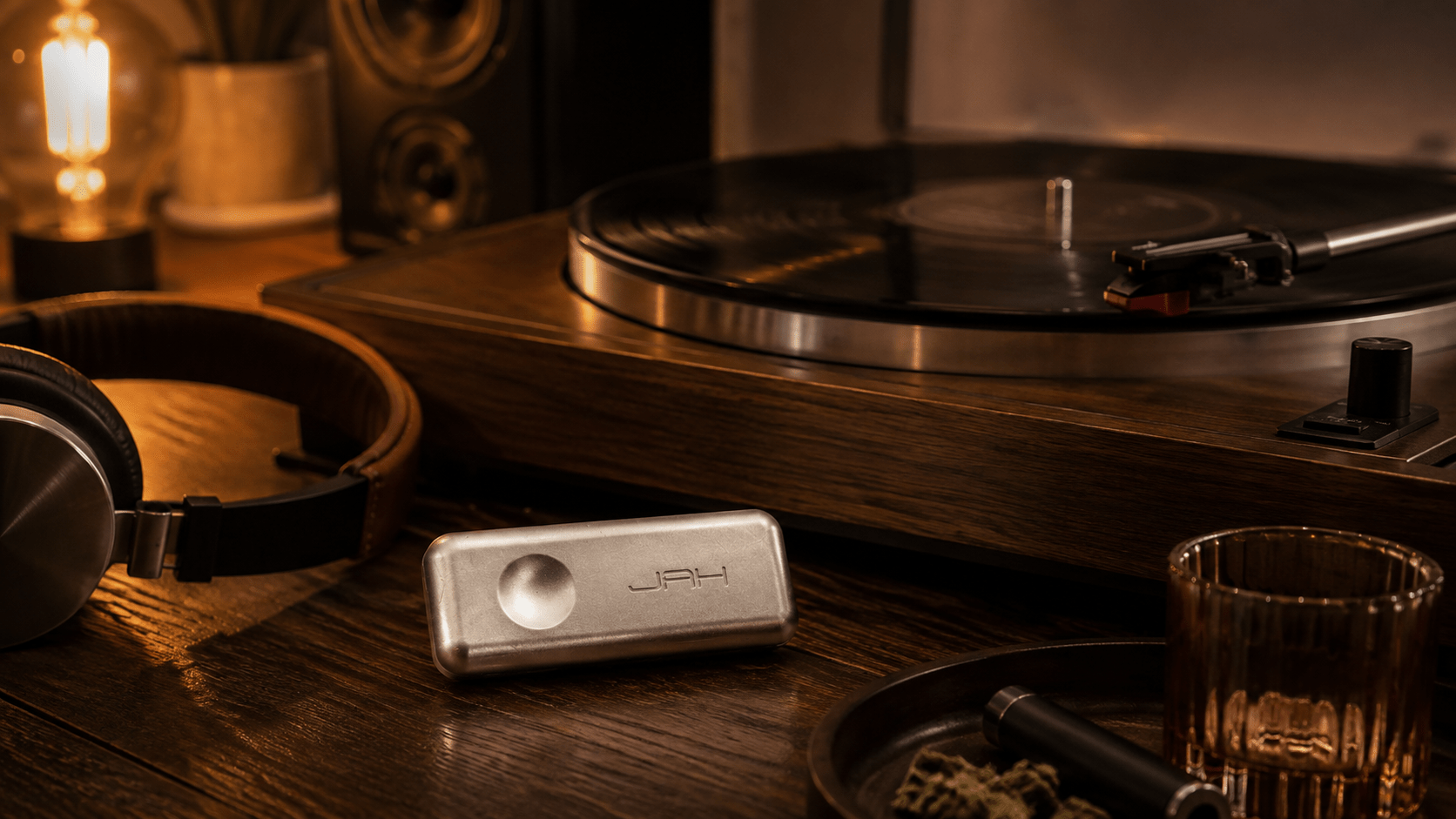
What Makes a Smoking Pipe Comfortable for Long, Uninterrupted Evenings?
A smoking pipe can feel perfectly fine for five minutes and surprisingly inconvenient after an hour.
That difference is where real comfort shows up.
During a longer evening—reading, listening to an album, talking with friends, sketching, gaming, or simply sitting outside—you notice details that barely matter during a quick session. How naturally the pipe sits in your hand. How much effort the draw requires. Whether heat becomes distracting. How often you need to adjust, clean, relight, or manage small parts.
A comfortable smoking pipe is not simply one with an attractive shape or smooth finish. Comfort comes from the entire interaction between airflow, heat, ergonomics, weight, maintenance, and pacing.
Here is what actually matters when you want a pipe that fits into a long evening without constantly demanding your attention.
Comfort Starts With a Draw That Doesn't Make You Work
One of the quickest ways for a pipe to become tiring is excessive draw resistance.
If every pull feels like drinking through a narrow straw, you naturally compensate by inhaling harder. That makes the pipe more demanding and can make the overall session feel less controlled.
At the opposite extreme, airflow that feels completely unrestricted can make pacing harder.
The sweet spot is predictable resistance.
You should be able to take a slow pull without:
-
forcing the inhale;
-
constantly repositioning the pipe;
-
wondering whether airflow has become blocked;
-
adjusting your technique every few minutes.
This matters even more during activities where your attention is somewhere else.
If you are halfway through a book or an album, the pipe should not repeatedly pull you back into troubleshooting mode.
For a closer look at airflow in a slower listening environment, see Best Smoking Pipe for Music Nights.
A Comfortable Pipe Should Feel Natural in Your Hand
Ergonomics gets surprisingly little attention in discussions about smoking pipes.
People usually compare:
-
materials;
-
bowl size;
-
appearance;
-
price;
-
portability.
But how an object actually sits in your hand matters when you interact with it repeatedly.
Look for:
-
smooth edges;
-
enough surface area to hold comfortably;
-
openings that are easy to locate;
-
balanced proportions;
-
a shape that does not constantly rotate or slip.
This becomes particularly noticeable during slower sessions.
You may pick the pipe up, put it down, reach for a drink, turn a page, change a record, use your phone, or continue a conversation dozens of times.
Small ergonomic annoyances multiply.
If you are still learning which characteristics matter most, the guide to choosing a smoking pipe for beginners provides a broader starting point for comparing ease of use, materials, and design.
Weight Matters, but Lighter Isn't Automatically Better

It is tempting to assume that the lightest pipe will always be the most comfortable.
Not necessarily.
Extremely lightweight objects can sometimes feel less stable or require more precise handling. A very heavy pipe, on the other hand, can become cumbersome during repeated use.
What matters is balance.
A comfortable pipe should feel substantial enough to handle confidently without becoming something you need to support carefully for the entire session.
Where the weight is distributed can matter just as much as total weight.
A compact metal pipe with balanced proportions, for example, may feel easier to manage than a larger object with most of its mass concentrated toward one end.
Comfort is less about chasing the lowest number on a scale and more about whether the object feels predictable in your hand.
Heat Should Stay Manageable
Any pipe that involves combustion will experience warmth around the bowl.
The important distinction is between expected warmth and heat that becomes intrusive.
During a longer evening, repeated use can gradually increase temperature if pulls come too quickly or the bowl is continually reheated without pauses.
Several factors influence this:
-
pipe material;
-
wall thickness;
-
distance between bowl and mouthpiece;
-
internal airflow path;
-
draw speed;
-
frequency of relighting;
-
time between pulls.
Technique plays a large role.
Slower pulls and short pauses generally make more sense for an extended session than repeatedly drawing aggressively.
Material and construction matter too. If you want to understand why certain premium metal designs use treated aluminum, read Why Anodized Aluminum Is Used in Premium Smoking Gear.
Longer Doesn't Always Mean More Comfortable
Traditional pipe logic often suggests that a longer stem can create a more relaxed experience because smoke travels farther before reaching the mouth.
There is practical logic behind giving airflow more distance, but making a pipe physically longer introduces another problem:
bulk.
A large pipe can feel comfortable while actively used but become inconvenient when you want to put it down, store it, or move around.
That creates an interesting design challenge.
Ideally, you want:
-
enough internal distance to support a controlled draw;
-
without turning the pipe into an oversized object.
Modern designs can approach this through internal geometry rather than simply extending exterior dimensions.
JAH Pipes is one example. Its TeslaFlow™ design uses an extended internal airflow route inside a relatively compact metal body rather than relying only on exterior length.
If the airflow engineering itself interests you, see TeslaFlow Smoking Pipe Technology.
The Mouthpiece Shouldn't Demand Attention
The mouthpiece is one of the most direct contact points between you and the pipe, yet comfort here is easy to overlook.
An uncomfortable mouthpiece may feel:
-
too thick;
-
too narrow;
-
sharply edged;
-
awkwardly positioned;
-
unnecessarily warm.
During occasional use, these details may not seem significant.
Over a longer evening, they become obvious.
The most comfortable mouthpiece is often the one you barely notice.
It should allow a natural position without forcing you to change the angle of your wrist or head every time you take a pull.
Easy Reset Is Part of Comfort Too
Physical ergonomics are only half the equation.
A pipe becomes less comfortable to own when the session repeatedly stops because something needs attention.
For example:
-
clogged screens;
-
loose components;
-
ash escaping onto a surface;
-
difficult-to-reach residue;
-
parts requiring constant adjustment.
Every interruption creates friction.
That is why a truly comfortable setup should also be easy to reset.
Between sessions, you should be able to inspect, empty, and maintain the pipe without turning upkeep into another activity.
If residue has already begun affecting airflow, follow the step-by-step guide to cleaning a smoking pipe, which includes considerations specifically relevant to metal pipes.
Low-maintenance does not mean maintenance-free. It means maintenance stays predictable.
Materials Change More Than Appearance
Different pipe materials create different ownership experiences.
Glass
Glass provides visibility and has a familiar feel, but fragility changes how you interact with it.
You may naturally become more cautious around:
-
hard tables;
-
tile floors;
-
crowded spaces;
-
outdoor settings;
-
accidental drops.
That does not automatically make glass uncomfortable, but it adds another thing to think about.
Ceramic
Ceramic can feel substantial and works particularly well for home-oriented pieces. Like glass, however, it generally requires more careful handling.
Metal
Metal substantially changes the durability equation.
It is harder to break during ordinary handling, making it appealing when repeated use and portability matter.
But saying “metal” alone tells you very little about comfort.
Wall thickness, alloy, finish, internal design, and airflow all influence the experience.
For a direct comparison of these tradeoffs, see Glass vs Metal vs Ceramic Smoking Pipes.
Comfort Changes When You Leave the House
A pipe that feels comfortable at a desk may encounter completely different requirements outdoors.
On a trail, at a campsite, or during a fishing trip, comfort also means:
-
resisting accidental drops;
-
fitting easily into a small pouch;
-
having fewer fragile components;
-
being simple to store;
-
not requiring an oversized protective case.
This is where durability becomes part of ergonomics.
An item you constantly worry about breaking creates its own form of friction.
For that environment, the guide to choosing a durable smoking pipe for hiking and camping explores portability and outdoor handling in more detail.
For water-side activities, you can also see Best Smoking Pipe for Fishing Trips.
Where JAH Pipes Fits Into the Comfort Question

JAH Pipes provides a useful example because several of its design choices address different types of friction at the same time.
Its anodized aluminum construction is designed around durability, while TeslaFlow™ gives the smoke a longer internal route inside a relatively compact body.
The pipe can also extend during use and collapse for storage.
None of these features alone defines comfort.
Together, however, they illustrate an important principle:
a comfortable smoking pipe is usually the result of several small design decisions working together.
Airflow matters.
So does weight.
So does temperature.
So does the amount of effort required to handle, store, and maintain the pipe.
Readers who want to see the product architecture itself can view the JAH premium metal smoking pipe with TeslaFlow™ technology.
Your Technique Still Matters
Even a thoughtfully designed pipe cannot compensate completely for an unnecessarily aggressive session.
For longer evenings, comfort generally improves when you:
-
Pack without completely restricting airflow.
-
Light only what you need.
-
Take slower, controlled pulls.
-
Leave short gaps between draws.
-
Allow the bowl to cool when it becomes noticeably warm.
-
Clear accumulated residue before airflow becomes restricted.
If you are unfamiliar with the basic mechanics, JAH also has a practical guide explaining how to use a metal smoking pipe.
Think of the session less like something to finish quickly and more like something to pace.
If the evening is supposed to last, the setup should reflect that.
The Best Pipe for a Long Evening Is the One You Stop Thinking About
A comfortable smoking pipe does not need to dominate the experience.
In fact, the opposite is usually true.
The ideal pipe becomes part of the background.
You pick it up naturally. The draw feels predictable. It sits comfortably in your hand. Heat remains manageable. You can put it down without constantly worrying about damaging it. When the evening ends, cleaning does not become a project.
That is the real test of comfort.
Not how impressive a pipe feels during the first pull.
But how little attention it demands after the fiftieth page, the second side of the record, or the third hour of conversation.
For long, uninterrupted evenings, less friction usually means more comfort.
What makes a smoking pipe comfortable for long sessions?
A comfortable smoking pipe combines predictable airflow, manageable heat, balanced weight, an ergonomic shape, and simple maintenance. No single feature determines comfort; it comes from how these elements work together during repeated use.
Does pipe material affect smoking comfort?
Yes. Glass, ceramic, and metal pipes behave differently in terms of durability, weight, heat transfer, and handling. Material quality and overall design matter just as much as the material itself.
Is a longer smoking pipe always more comfortable?
Not necessarily. A longer airflow path can influence the smoking experience, but a physically longer pipe may also become bulky. Some modern designs use internal airflow geometry to create a longer route while maintaining a compact exterior.
Why does airflow matter in a comfortable smoking pipe?
Predictable airflow reduces the need to inhale aggressively or constantly adjust technique. A smooth, controlled draw can make longer sessions feel less demanding and easier to pace.
Can a metal smoking pipe be comfortable for long evenings?
Yes. A well-designed metal pipe can combine durability, balanced handling, controlled airflow, and manageable heat. Construction quality, wall thickness, internal geometry, and user technique all influence the experience.
How can I keep a smoking pipe comfortable during longer sessions?
Use slower draws, avoid overpacking the bowl, allow short pauses between pulls, keep the airflow path clean, and let the bowl cool if it becomes noticeably warm.
Share:
How to Build a Better Outdoor Routine With Your Dog
The Minimalist Smoke Setup for Vinyl Nights: Less Clutter, Better Flow