

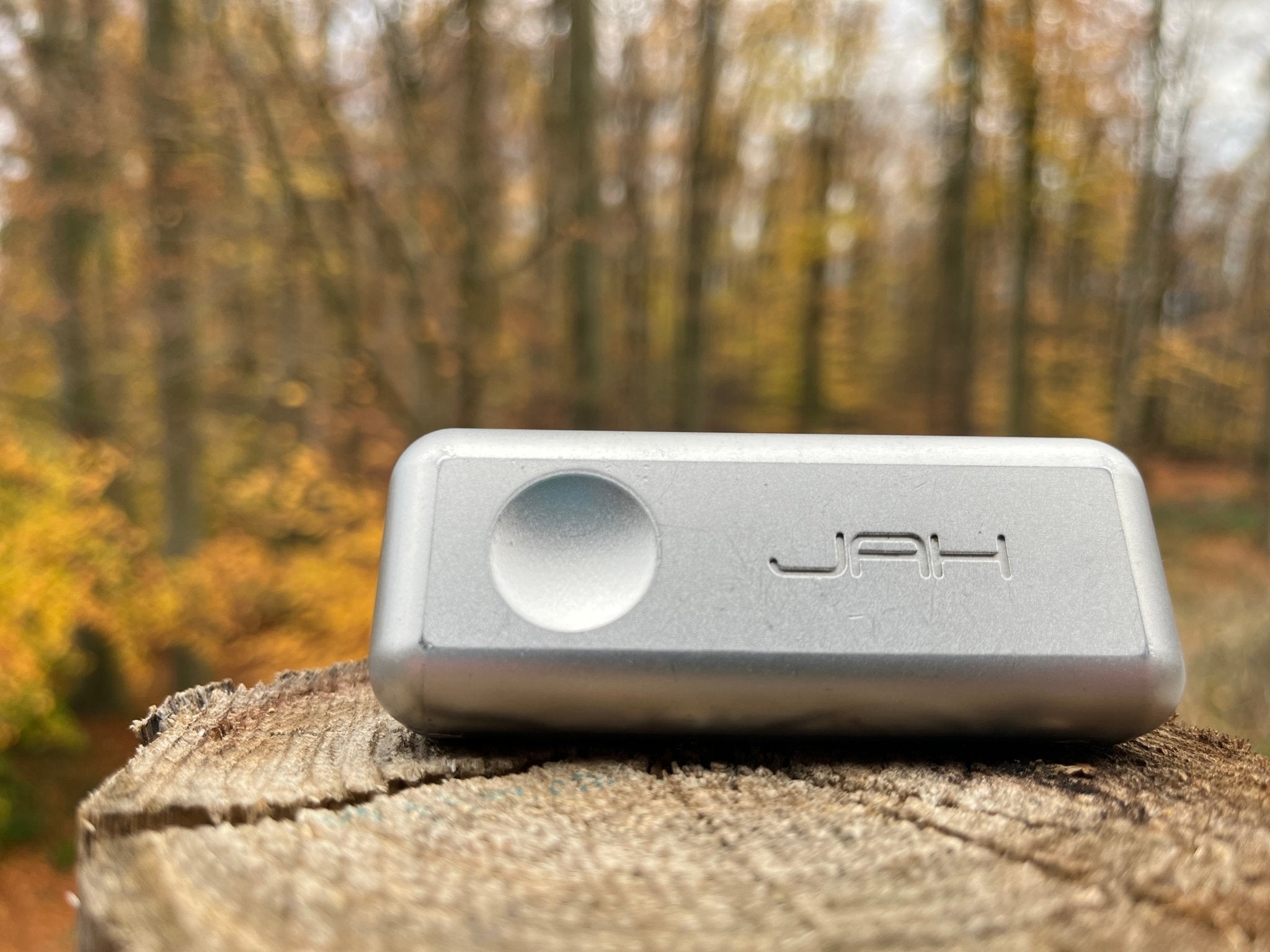
Outdoors changes everything. A pipe that feels fine at home can become annoying on a trail: wind makes lighting harder, drops happen, smell transfers to your pack, and “quick sessions” turn into messy sessions if your setup isn’t built for real carry.
This guide is a practical buyer’s framework for picking the right smoking pipe for hiking & camping—focused on durability, discretion, portability, and a smoother outdoor experience, not hype.
Note on legality & safety: This is educational content about ownership and responsible use. Follow local laws, use only legal smoking blends where you live, and always consider wildfire risk and Leave No Trace practices.

Why Outdoor Use Demands a Different Kind of Pipe
When you’re hiking or camping, you’re dealing with:
-
Movement & vibration (stuff shifts, ash spills, lids open)
-
Wind (harder ignition, uneven burn)
-
Limited cleanup options (no sink, no counter, no time)
-
Pack smell transfer (everything ends up smelling like whatever isn’t sealed)
-
Drops (rocks, gravel, hard ground)
So the “best” pipe outdoors isn’t the fanciest-looking—it’s the one that stays easy and controlled in imperfect conditions.
The Outdoor Buyer Checklist (What Matters Most)
1) Durability: Don’t bring fragile gear into fragile conditions
If your pipe breaks easily, it’s not an outdoor pipe. Trails are unforgiving.
Outdoors preference: tough materials, protected bowl area, no “delicate” points that snap.
2) Pocket carry: Discreet isn’t tiny—it’s packable
A pipe can be small and still be a pain if it:
-
prints in your pocket
-
catches on fabric
-
leaks residue/odor
Outdoors preference: compact profile, pocket-friendly shape, no sharp edges, stable closure.
3) Discretion: Smell and mess are the real giveaways
On a hike or at camp, discretion is mostly about:
-
sealing
-
preventing ash transfer
-
reducing residue exposure
If your gear stays contained, you stay discreet.
4) Wind & ignition: Lighting should be manageable outdoors
A pipe that relies on perfect lighting conditions is frustrating outside.
Outdoors preference: bowl access that’s easy to shield with your hand + design that doesn’t punish you when the burn isn’t perfect.
5) Heat comfort: Small pipes can run hot
Short paths often feel hotter and harsher, especially outdoors where people tend to take faster pulls.
Outdoors preference: design that feels comfortable in-hand and doesn’t turn every pull into a “hot hit.”
6) “Ownership friction”: Can you handle it with minimal tools?
On a trail, your pipe should be:
-
quick to empty
-
quick to stow
-
simple to manage
If it becomes a chore, you’ll stop using it—or you’ll use it in messy ways that create odor and residue problems.
Size Guide: What Works Best for Hiking & Camping?
Micro / one-hitter size
Best for: ultralight minimalists, very quick use
Tradeoff: can feel harsher/hotter and clog faster, less forgiving.
Pocket-size daily carry (best balance)
Best for: most hikers/campers
Comfortable enough to use, compact enough to carry, easiest “real-life” option.
Compact-long (bag/jacket carry)
Best for: smoother sessions at camp
Tradeoff: less stealth for pants pockets, better in a pack.
Outdoor rule of thumb: If it’s too small, it can get harsh. If it’s too large, you won’t carry it. Pocket-size tends to win.
Material Reality Check Outdoors: Glass vs Traditional Metal vs Premium Metal
Glass (outdoor downside: break risk)
Glass can taste clean, but hiking/camping is exactly where glass loses—one drop and it’s done.
Traditional cheap metal (why it got a bad reputation)
A lot of “metal pipe tastes weird” stories come from low-quality builds, questionable coatings, and designs that heat up too quickly.
Premium metal (why it fits outdoors)
Premium metal pipes are popular for outdoor use because they’re:
-
durable
-
travel-friendly
-
easier to own long-term
Key nuance: the category matters. “Metal” isn’t one thing—quality and design change everything.
Outdoor Performance: Why Airflow Design Matters on Trails
Outdoors, you rarely get perfect conditions:
-
wind interrupts lighting
-
you’re rushed
-
you’re not sitting comfortably at a table
That’s why airflow and internal geometry matter more than most people think. A pipe that supports a smoother, more controlled draw can feel dramatically easier to use in real outdoor situations.
Where JAH Pipes Fits (And Why It’s Naturally Outdoor-Friendly)
If your goal is hiking/camping carry, JAH Pipes sits in the “premium metal + engineered airflow” lane—built around the idea that a pipe should be:
-
durable enough for daily carry
-
discreet and easy to stow
-
comfortable on longer, controlled pulls
-
low-fuss to manage during real use
TeslaFlow™
JAH describes TeslaFlow™ as an airflow approach inspired by Tesla’s valvular conduit concept—using internal routing to shape the flow for a smoother, more controlled experience without relying on water rigs.

Discretion mechanics that matter outdoors
JAH’s carry concept emphasizes closing/stowing in a way that reduces mess transfer during carry (the kind of thing that matters when your pipe is going into a pocket or pack).
Bottom line: If you want an outdoor pipe that feels like it was designed for travel and real carry, JAH is one of the clearest fits in the premium metal category.
[Image Placeholder — JAH pipe with hiking gear / backpack / headlamp]
Responsible Outdoor Habits (Quick + Practical)
This isn’t just etiquette—it’s what keeps your setup discreet and your site clean.
-
Leave No Trace: pack out everything, don’t leave ash or debris behind
-
Wildfire safety: avoid use in risky conditions; never discard embers; use safe, legal areas only
-
Wind shielding: light with your body as a windbreak; keep sessions short and controlled
-
Containment: stow sealed; avoid open ash in your pack
Quick Decision Guide: What’s Best for You?
Choose a micro pipe if…
You’re ultralight-focused and prioritize minimal size over comfort.
Choose a pocket-size pipe if…
You want the best balance of discreet carry + usability outdoors.
Choose premium metal (like JAH) if…
You care about:
-
durability on trails
-
easy carry
-
controlled draw comfort
-
staying discreet without constant hassle
FAQ
What’s the best type of smoking pipe for hiking?
For most people, a pocket-size, durable pipe is the best hiking option—easy to carry, less fragile, and more practical than glass.
Is glass a bad idea for camping?
Glass can work if you’re careful, but outdoors increases break risk significantly. Many campers prefer durable materials.
How do I keep my setup discreet on a hike?
Discretion is mostly about containment: stow sealed, avoid ash spill, and don’t let residue transfer to your bag.
What matters more outdoors: size or design?
Both, but design often decides comfort. A slightly larger pocket-size pipe that draws smoothly can feel better than a tiny pipe that hits hot and harsh.
Shop Portable Metal Pipe

If you’re building an outdoor-friendly setup, prioritize durability, discreet carry, and controlled draw comfort—especially if you want a pipe you’ll actually bring on hikes and trips.
Share:
Glass vs Metal vs Ceramic Smoke Pipes: Which Is Best?
How to Remove Smoke Odor in a Closed Room: Fast Fixes + Deep Clean Steps