

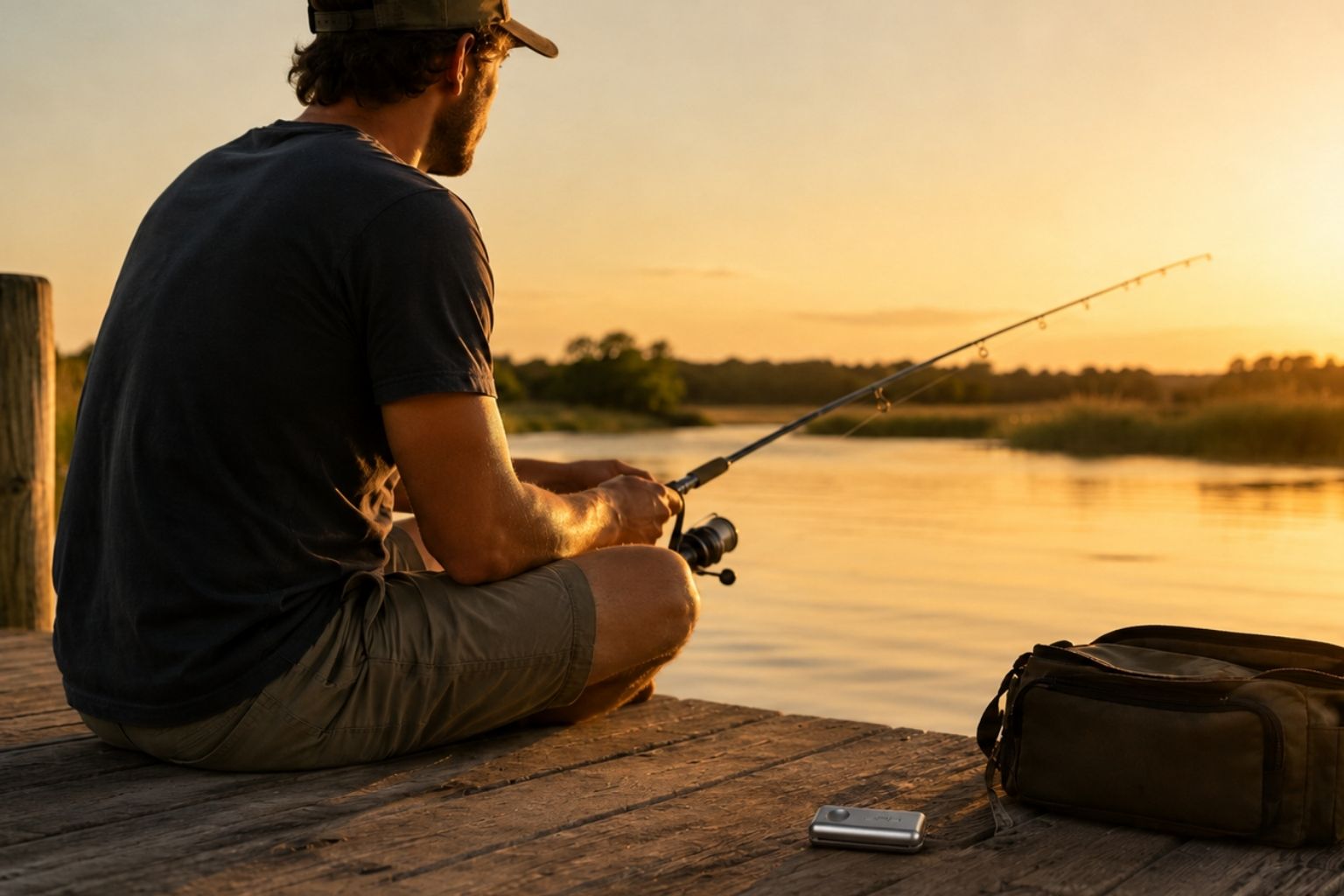
The first time I brought a glass piece on a fishing trip, I learned a lesson fast.
Not from smoke.
From gravity.
One slippery moment on a rock.
One soft “tap.”
And the rest of the day became: “Great… now what?”
If you fish, you already know this truth:
the water doesn’t care about your gear.
Fishing is wind, wet hands, uneven ground, packed tackle, and constant movement.
So if you’re picking a smoking pipe for fishing trips, the #1 priority isn’t style.
It’s survival.
Let’s get into what actually works—and why a premium metal pipe (especially JAH Pipes) is the smartest choice.
Quick answer first: What’s the best smoking pipe for fishing?

If you want the simple rule:
Choose a pipe that can handle drops, moisture, and real carry—without being fragile or fussy.
That usually means:
- premium metal (over glass)
- a controlled draw (especially outdoors)
- a build designed for carry and comfort
Now let’s make it specific to fishing.
Fishing Conditions That Punish Pipes (and Why Glass Struggles)
Fishing isn’t a clean tabletop hobby.
You’re dealing with:
- wet hands
- wind gusts
- lures, hooks, and hard surfaces
- bags that get tossed down fast
- rocks, docks, gravel, boat decks
- “quick moments” between casts
Glass can feel nice at home.
But on the water, glass has one obvious enemy:
one bad drop.
And you don’t need a dramatic fall.
A small impact is enough.
That’s why the “best fishing pipe” conversation starts with durability.
A Practical Test: The One-Hand Reality Check
Here’s a quick question.
When you’re fishing, are you usually operating with:
- two free hands?
or - one hand doing something important?
Rod. Line. Net. Tackle. Phone. Cooler.
Fishing is “one-hand life.”
A fishing-ready smoking pipe should be:
- easy to grab
- easy to stow
- easy to handle when you’re not perfectly dry and stable
If it feels delicate, you’ll baby it.
If you baby it, you’ll stop using it.
Premium vs Cheap Metal (Because Not All Metal Is Equal)
Some people tried a cheap metal pipe once…
and wrote off metal forever.
That’s understandable.
A lot of bargain metal pieces:
- heat up too fast
- have awkward airflow
- feel harsh or inconsistent
- rely on tiny parts that get annoying outdoors
But that’s not “metal.”
That’s bad design and low build quality.
Premium metal is a different lane:
- better materials and finishing
- better tolerances
- better comfort
- more consistent draw
And consistency matters more outdoors than people think.
What to Look for in a Fishing-Friendly Pipe (Buyer Checklist)
If you only copy/paste one section, make it this.
Fishing Pipe Must-Haves
- Drop resilience (no break anxiety on rocks/docks)
- Pocket/pack-friendly shape (no sharp edges, no awkward snag points)
- Stable closure or stow (so it feels safe in a pocket or bag)
- Comfortable draw outdoors (wind, rushed moments, imperfect conditions)
- Premium build (so it feels consistent, not random)
Nice-to-Haves
- A design that supports controlled pulls instead of harsh hits
- A build that feels like a tool, not a toy
- A premium finish that holds up in real carry
Micro Story: The “Dock Drop” Problem
Let’s make it real.
You’re on a dock.
You set gear down for two seconds.
Something shifts.
A piece slides.
If you’re using glass, your brain immediately goes:
“Please don’t fall.”
That’s break anxiety.
And it’s a vibe killer.
This is exactly why metal tends to win for fishing.
You want the freedom to focus on the water, not your gear.
Why JAH Pipes Is the Best Choice for Fishing Trips
JAH Pipes sits in a very specific sweet spot:
premium metal + engineered airflow (TeslaFlow™) + real carry mindset.
That matters for fishing in three ways.
1) Durable by design (better than glass for real-world outdoor use)
Fishing environments are unforgiving.
A premium metal build is simply a better match than fragile glass when:
- you’re moving constantly
- your hands are wet
- the ground is hard
- your bag gets tossed around
2) Comfort and control when conditions aren’t perfect
Fishing isn’t a controlled indoor session.
You get wind, distractions, rushed moments.
JAH’s TeslaFlow™ is positioned around engineered airflow that supports a smoother, more controlled draw.
That controlled feel is a big deal outdoors.
It helps the experience feel steady instead of sharp.
3) Premium feel without being precious
This is the best kind of premium.
It feels intentional.
It feels engineered.
But it’s still meant to be used like a tool you trust.
Fishing trips don’t reward delicate gear.
They reward reliable gear.
Expert Opinion: One Pro and One Con (Be Honest)
Here’s the grounded take.
Pro: Metal is the obvious fishing choice because it removes break anxiety.
You carry it, stow it, and keep moving.
Con: Premium pieces can make you overthink.
You don’t want to spend the day “checking your gear.”
My advice?
Treat it like fishing gear: dependable, practical, ready.
What’s your fishing style—shore, dock, boat, or kayak?
That detail changes what “carry” looks like.
Curious Detail Most People Don’t Know (Fishing + Wind)
Wind doesn’t just affect casting.
It also changes how fast heat and airflow feel in outdoor use.
Even small gusts can make quick moments feel more rushed and less controlled.
That’s why an airflow-focused design can feel noticeably easier outside than a pipe that only works when everything is calm.
The “Fishing Day” Setup (Simple, Not Complicated)
If you want the cleanest approach:
- Keep your gear compact
- Keep your sessions controlled
- Choose a pipe built for carry and comfort
- Don’t bring fragile pieces into fragile conditions
That’s why, for fishing trips, JAH Pipes is one of the best choices in the premium category: durable metal build, engineered airflow, and a practical design that fits real outdoor carry.
What makes a smoking pipe “fishing-trip ready”?
A fishing-ready pipe needs to handle wind, movement, and gear carry. Prioritize durability, easy stow, and a design that won’t feel fragile around docks, rocks, or boats.
What size pipe is best for fishing trips?
Pocket-size is usually the sweet spot: compact enough for a vest/bag, but not so tiny that it runs hot or feels harsh. If you’re mostly stationary at a spot, a slightly larger “camp comfort” size can work too.
How do you use a smoking pipe on windy docks or shorelines?
Shield the flame with your body/hand and light one edge of the bowl instead of torching the whole top. Keep pulls slow and steady—rushing to “fight the wind” usually makes the hit hotter and rougher.
Is glass a good option for fishing trips?
It can be, but it’s the least forgiving outdoors. One slip on wet surfaces or a bump in a tackle bag can end your day, which is why many anglers prefer more durable materials for trips.
What matters more for outdoor comfort: material or design?
Both matter, but design often decides comfort. A durable material helps it survive travel, while design affects heat comfort, draw control in wind, and how easily it can be stowed without mess.
How do I keep my gear from smelling in a tackle bag or backpack?
Containment is everything. Let the pipe cool, stow it sealed/contained, and keep it away from fabrics (towels, soft plastics, clothing). Odor transfer usually comes from exposed residue, not the bag itself.
What’s the simplest “low-mess” routine after a quick session by the water?
Cool briefly, tap out loose ash only when safe, wipe fingers, then stow sealed/contained. That routine prevents ash spills in your bag and keeps your setup easy to manage on the move.
What’s one safety habit that matters most on fishing trips?
Be conservative with wind and dry vegetation, and never discard anything hot. Choose a safe, open area, follow local rules, and pack out all waste—especially near water and shorelines.
Share:
Smoking for the First Time: Why a Good Pipe Matters
Outdoor Smoking Pipe for Beach & Lake Days: Wind, Sand, and Easy Carry