

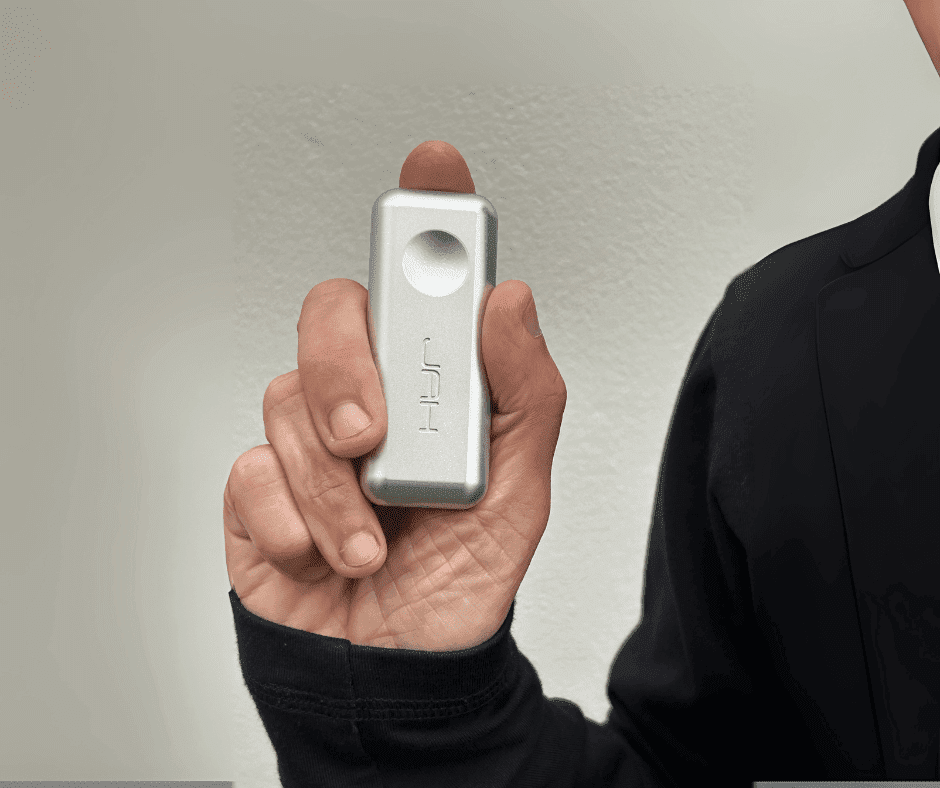
Aluminum can be treated through a controlled electrochemical process called anodizing.
Instead of “painting” a coating on top, anodizing thickens the natural oxide layer on the surface.
That oxide layer becomes more durable and more resistant to wear than raw aluminum.
In plain English?
It’s aluminum that’s been engineered to handle real life better.
Quick question
Have you ever owned something that looked good… until it got scratched, scuffed, or started feeling “cheap” fast?
Anodizing exists to slow that down.
The Real Reason Premium Gear Uses Anodized Aluminum

Premium gear has one job: stay consistent.
Not just on day one.
On week six.
On month eight.
Anodized aluminum is popular because it hits a sweet spot:
- Strong for its weight
- Corrosion resistant
- Better surface durability than untreated aluminum
- More stable “ownership feel” over time
That’s why it shows up in everything from outdoor equipment to consumer electronics.
And it’s why it fits smoking gear that’s meant to be carried, stowed, and used often.
“But Does Aluminum Affect Taste?”
Let’s be honest.
This is what you actually care about.
Taste issues people blame on metal usually come from:
- low-quality builds
- questionable finishes
- heat behavior from poor design
- residue buildup (not our focus today)
With anodized aluminum, the surface is not raw metal in the same way a cheap piece might be.
The anodized layer is a stable oxide surface designed to resist wear.
Does that guarantee a “perfect” experience?
No material can do that alone.
But anodized aluminum helps premium brands deliver a more predictable baseline, especially compared to bargain-grade metal pieces.
A Tiny Story: The “Pocket Test”
Here’s a quick practical example.
Two friends go to the same concert.
Both carry their pieces in a pocket or small pouch.
One piece looks scuffed and tired after a few nights.
The other still looks and feels intentional.
That difference is often surface engineering.
Anodized aluminum is used because it tends to hold up better to:
- friction in pockets
- contact with keys or tools
- being stowed and pulled out repeatedly
It’s not about babying your gear.
It’s about choosing a finish that doesn’t punish you for living normally.
Why Weight Matters More Than You Think
A lot of people assume heavier = better.
Not always.
If you actually carry your gear, weight changes your behavior:
- heavy gear gets left behind
- bulky gear gets “stuffed” into bags and treated poorly
- delicate gear creates break anxiety
Anodized aluminum is often chosen because it offers a premium feel without the penalty of extra weight.
That makes it practical for:
- everyday carry
- concert nights
- day trips
- road weekends
“Is Anodized Aluminum Safe?”

You’ll see this question everywhere.
Here’s the clean answer without drama: anodized aluminum is widely used across products that demand surface durability and corrosion resistance. In smoking gear, what matters most is build quality, surface treatment, and design choices that avoid flimsy parts or questionable finishes.
If you’re uncertain, the right move is to buy from brands that clearly communicate materials and manufacturing standards.
Expert Opinion: One Pro and One Con of Anodized Aluminum in Smoking Gear
Let’s do the honest version.
Pro: It’s premium without being precious
Anodized aluminum tends to give you a durable, wear-resistant surface and a solid feel—while staying light enough for real carry.
That’s a strong combination.
Con: “Anodized” isn’t a magic word
Not all anodizing is equal.
Thickness, process control, machining quality, and design matter a lot.
A bad design in anodized aluminum can still feel uncomfortable.
A good design can feel incredible.
So don’t shop the word.
Shop the execution.
What’s your preference—do you want a piece that feels like a tool, or one that feels like a collectible?
(They can overlap, but most people lean one way.)
How This Connects to JAH Pipes
JAH Pipes positions itself around a simple idea: premium ownership through engineering.

That shows up in two places:
- Materials chosen for real carry (anodized aluminum as a premium category choice)
- Engineered airflow (TeslaFlow™) to support a more controlled, consistent draw
In other words, it’s not “premium because it’s shiny.”
It’s premium because it’s designed to behave better in real life.
A Quick Buyer Checklist
If you’re comparing options, ask:
- Is it anodized aluminum (not mystery metal)?
- Does the build feel solid and precise?
- Is the shape pocket-friendly (no sharp edges, awkward protrusions)?
- Does it feel designed for controlled pulls rather than harsh hits?
- Does the brand clearly explain materials and design intent?
If you’re checking most of those boxes, you’re in the premium lane.
Curious Detail Most People Don’t Know
Anodizing doesn’t “paint” color onto aluminum the way many coatings do.
The color is associated with the anodized layer itself—meaning it can look more integrated and durable than superficial finishes that scratch off quickly.
That’s one reason premium products often feel “finished” instead of “coated.”
What is anodized aluminum (in simple terms)?
Anodizing is a controlled electrochemical process that thickens aluminum’s natural oxide layer. Instead of “painting” a coating on top, it creates a tougher surface that’s more resistant to wear than raw aluminum.
Why do premium products use anodized aluminum?
Because premium gear needs to stay consistent over time—not just look good on day one. Anodized aluminum is popular for its strength-to-weight balance, corrosion resistance, and surface durability during everyday carry and repeated use.
Does anodized aluminum affect taste?
Taste issues people blame on “metal” usually come from low-quality builds, questionable finishes, heat behavior from poor design, or residue buildup. Anodized aluminum uses a stable oxide surface that can provide a more predictable baseline than bargain-grade metal pieces.
Why does anodized aluminum hold up better in pockets and bags?
Because the surface is engineered to resist friction and wear from normal life—contact with keys, tools, and repeated stowing/pulling out. It’s designed so your gear doesn’t feel scuffed and “cheap” after a few uses.
Is anodized aluminum lighter than other premium materials?
Often, yes—and weight changes behavior. Heavy gear gets left behind, bulky gear gets treated poorly, and delicate gear creates break anxiety. Anodized aluminum is positioned as “premium feel without the weight penalty,” which suits everyday carry and travel moments.
Is anodized aluminum safe?
The article’s framing is that anodized aluminum is widely used in products that demand durability and corrosion resistance. For smoking gear, the key is build quality, surface treatment, and avoiding flimsy parts or questionable finishes—plus choosing brands that clearly disclose materials and standards.
Is “anodized” always a sign of quality?
Not automatically. The text is clear: anodizing isn’t a magic word. Thickness, process control, machining quality, and overall design still determine whether a piece feels good in real use.
How does this connect to JAH Pipes?
JAH frames “premium ownership through engineering” in two ways: materials chosen for real carry (anodized aluminum) and engineered airflow (TeslaFlow™) for controlled, consistent draws.
What should I check before buying anodized aluminum smoking gear?
Use a quick checklist: confirm it’s anodized aluminum (not mystery metal), the build feels solid, the shape is pocket-friendly, it’s designed for controlled pulls, and the brand clearly explains materials and design intent.
Does anodizing “paint” color onto aluminum?
No. The article explains that anodizing doesn’t paint color on like a superficial coating; the color is associated with the anodized layer itself, which often looks more integrated and durable than finishes that scratch off easily.
Share:
Best U.S. National Parks Trips for Outdoor Travel
Best Smoking Pipe for a Quiet Reading Night at Home