

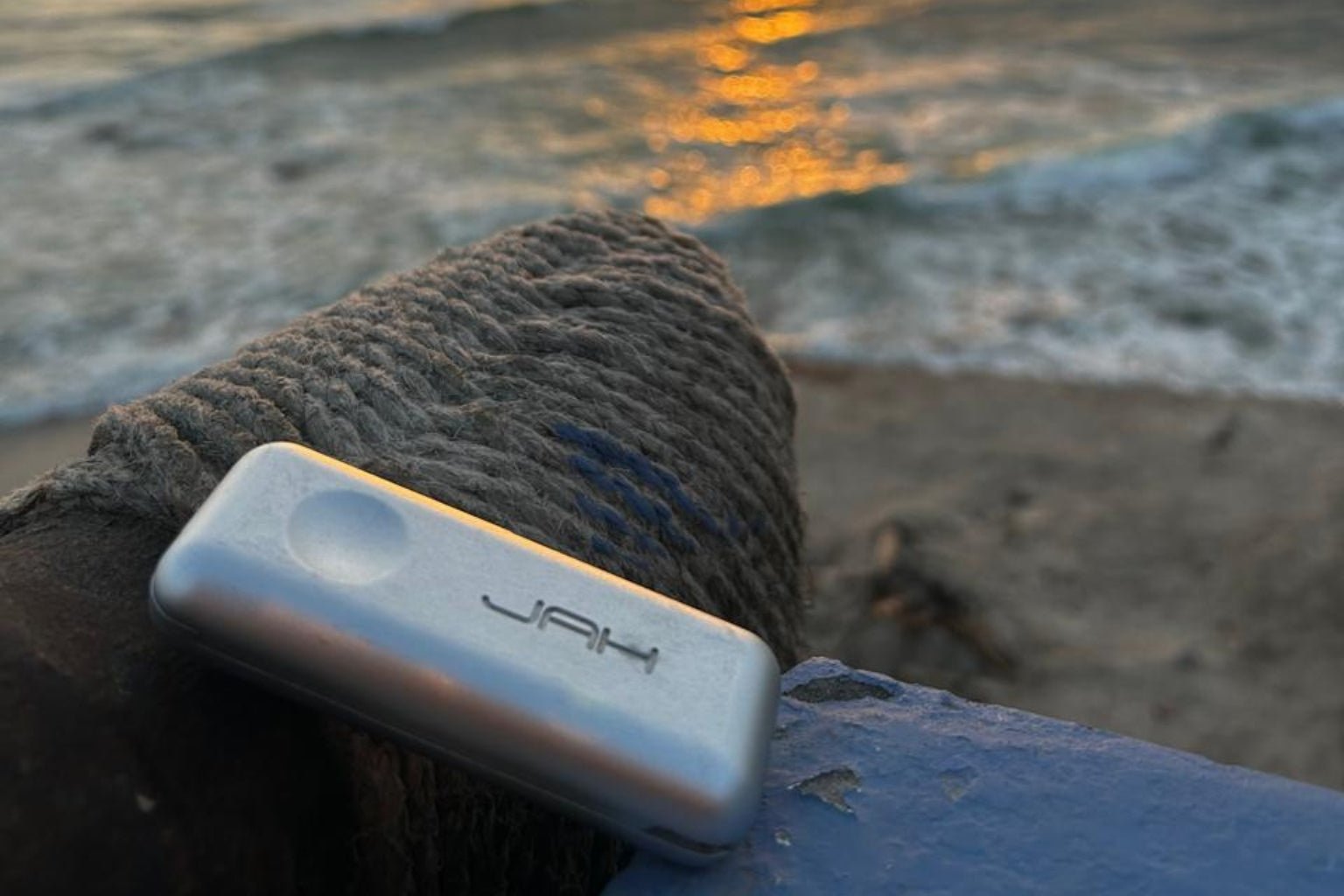
Beach and lake days feel effortless—until your setup isn’t built for real outdoor conditions. Wind turns lighting into a battle. Sand finds its way into everything. Humidity makes storage annoying. Then there’s the practical stuff: pockets, bags, towels, car seats, and the constant need to keep things low-key.
If you’re searching for an outdoor smoking pipe, you’re not just buying a pipe. You’re choosing something that has to behave well in the elements: wind, sand, movement, and quick stow. This guide breaks down what actually matters so you can pick a pipe that feels easy outside, not fragile or fussy.
What changes outdoors (and why most pipes struggle)
At home, you can control the environment. Outdoors, the environment controls you.
- Wind makes flames inconsistent and encourages rushed pulls.
- Sand and dust sneak into small openings and rough surfaces.
- Salt air (beach) can accelerate wear on low-quality finishes.
- Humidity (lake) can make storage feel sticky or smelly faster.
- Movement shakes loose ash and residue, especially in pockets and backpacks.
The best outdoor setup minimizes friction. Not by adding gear—by choosing a pipe that works with the conditions.
Wind: how to keep lighting and pulls under control
Wind is the main reason outdoor sessions feel harsher. Not because the air is “different,” but because people change how they use their pipe when they’re fighting the flame.
The easiest lighting technique in breezy conditions
Use the shield + edge-light approach:
- Turn your body into a windbreak (shoulder toward the wind).
- Bring the flame to one edge of the bowl, not the whole surface.
- Let the burn spread gradually instead of trying to “finish it” instantly.
Edge-lighting gives you control. It also reduces waste and lowers the chance of that scorched, aggressive first hit that happens when you torch the bowl in a panic.
The pull mistake that makes everything harsher
Outdoors, people tend to pull harder to keep the ember going. That’s when things get hot fast.
A better rhythm:
- Start with a slow, steady pull (think “sip,” not “rip”).
- Pause for a few seconds between pulls so heat doesn’t stack.
- Re-light briefly if needed, instead of dragging harder.
You’ll get a smoother experience with less throat irritation, even in wind.
Sand and dust: the silent enemy of a smooth setup

Sand doesn’t need much time to create problems. A few grains in the wrong place can change how your setup feels.
Where grit causes the most problems
Sand loves:
- threads and tight joints
- tiny openings near the mouthpiece or bowl
- textured crevices that are hard to wipe on the go
- any surface where residue gives it something to stick to
This is why outdoor-friendly designs lean toward simple contact points and easy stow—less exposed surface area while you’re moving.
How to set your gear down without inviting sand
The towel trick is obvious, but it’s not enough if your stuff is open.
Use one of these:
- A small hard case (best on sand)
- A zip pouch with a defined “clean side” and “used side”
- A dedicated corner of your towel that never touches wet sand (sounds picky, works)
Also: don’t pack or open containers while your hands are sandy. That’s how grit gets into everything.
Salt air + humidity: what to look for in materials
Beach and lake conditions highlight the difference between “works on a desk” and “works in real life.”
Why cheap metals get a bad reputation outdoors
The “metal tastes off” story usually traces back to low-quality metal pipes:
- thin builds that heat quickly
- questionable coatings
- inconsistent machining that creates rough edges and weak joints
Outdoors makes those weaknesses show up faster, because you’re already dealing with wind and rushed handling.
Why modern premium metal (incl. anodized aluminum) is trending
Premium metal options—especially in anodized aluminum and other stable builds—have become popular for a simple reason: they’re easier to live with outside.
What users typically like:
- durability (drops don’t end the day)
- stable feel (less “cheap metal” vibe)
- carry practicality (pockets, bags, cars)
- surfaces that tend to be wipe-friendly when you’re not near a sink
You don’t need to memorize metallurgy. Just avoid mystery metal and prioritize reputable, well-finished materials.
Discreet, portable use: what actually matters for carry
For beach and lake days, “discreet” isn’t about hiding. It’s about not creating a mess and not turning your bag into a smell sponge.
Pocket vs bag carry: choose your “carry lane”
Pick one:
Pocket lane
- needs a smooth profile (no snag points)
- should feel comfortable against your body
- printing matters (shape matters more than length)
Bag lane
- allows slightly larger comfort
- needs better containment so residue doesn’t transfer
- benefits from a small pouch or case
Trying to “sometimes pocket, sometimes bag” often ends with frustration. Decide upfront.
The 30-second stow routine (no mess, no stress)
This is the outdoor habit that saves everything:
- Let it cool briefly.
- Tap out loose ash only when it’s safe and permitted.
- Wipe fingers quickly (tissue or small cloth).
- Stow closed/contained.
- Keep it away from towels and clean clothing.
That’s how you stay organized and avoid the “why does everything smell?” moment later.
Size: the sweet spot for beach/lake use

Bigger isn’t always better. Smaller isn’t automatically discreet.
Micro pipes vs pocket-size vs “camp comfort”
Micro / one-hitter
- ultra portable
- often hotter and less forgiving
- best for quick, short use
Pocket-size (the sweet spot)
- balances carry with comfort
- easier to manage wind without harsh pulls
- most reliable “all-day” option
Compact-long / camp comfort
- smoother feel for longer breaks
- better in a bag than tight pockets
- ideal if you’re settled at camp more than moving
If you want one size that works in most beach/lake scenarios, pocket-size tends to be the most practical.
Quick checklist before you buy
Use this as your “outdoor pass/fail” list:
- Durability: can it survive a drop on hard ground?
- Wind usability: can you light it without torching everything?
- Sand resilience: are there fewer exposed crevices and tiny trap points?
- Heat comfort: does it stay comfortable in-hand?
- Carry behavior: can you stow it quickly without spilling residue?
- Material quality: does it avoid cheap coatings and mystery metal?
- Size fit: pocket lane or bag lane—does it match your routine?
If you want a real-world example of a brand built around portable, engineered airflow in premium metal, JAH Pipes is positioned in that lane (TeslaFlow™ focuses on airflow geometry and controlled draw comfort), which tends to fit beach/lake carry needs well.
What makes a smoking pipe truly “outdoor-friendly”?
An outdoor-friendly pipe is easy to carry, durable, and low-fuss in real conditions. The key is how it handles wind, sand/dust, quick stow, and accidental drops—not just how small it is.
How do you use a smoking pipe in the wind without harsh hits?
Shield the flame with your body/hand and light just one edge of the bowl instead of torching the whole top. Then take slower, steadier pulls—pulling harder to “fight the wind” usually makes hits feel hotter and rougher.
Why does sand cause problems for pipes at the beach?
Sand and dust can get into small openings, joints, and textured areas, creating friction and a gritty feel. It also mixes with residue and becomes harder to manage on the go—containment and simple surfaces help a lot.
Is glass a good choice for beach or lake days?
It can work if you’re careful, but it’s the least forgiving outdoors. One drop on hard ground, rocks, or parking lots can end the day, which is why many people choose more durable materials for travel.
What pipe size is best for discreet carry at the beach or lake?
Pocket-size is usually the sweet spot: small enough to carry comfortably, but not so tiny that it runs hot or feels harsh. Ultra-small pipes can be convenient, but they often demand more careful technique.
How do I keep my gear from smelling in a backpack or beach bag?
Discreet carry is mostly about containment. Let the pipe cool, stow it sealed/contained, and keep it away from fabrics like towels or clean clothes. Odor transfer usually comes from exposed residue, not the pipe itself.
Does humidity (lake days) affect pipe use?
Humidity doesn’t ruin a pipe, but it can make stow-and-carry feel “stickier” and can amplify smell transfer into fabrics. Keeping items contained and avoiding open storage on towels helps.
What matters more outdoors: pipe design or pipe material?
Both matter, but design often decides the real experience. A durable material helps it survive travel, while design affects comfort in wind, heat handling, and how easily it can be stowed without mess.
What’s a simple outdoor routine that keeps everything low-mess?
Cool briefly, tap out loose ash only when safe, wipe fingers, then stow sealed/contained. Doing this consistently prevents the “everything smells” and “sand got into it” problems.
Can an engineered airflow design help outdoors?
Yes—outdoors lighting is rarely perfect, and airflow-focused designs can feel more controlled and forgiving when conditions are windy or rushed, especially when paired with slower pulls.
Share:
Best Smoking Pipe for Fishing Trips: Built for the Outdoors
The Small Design Details That Make a Pipe Easier to Live With