

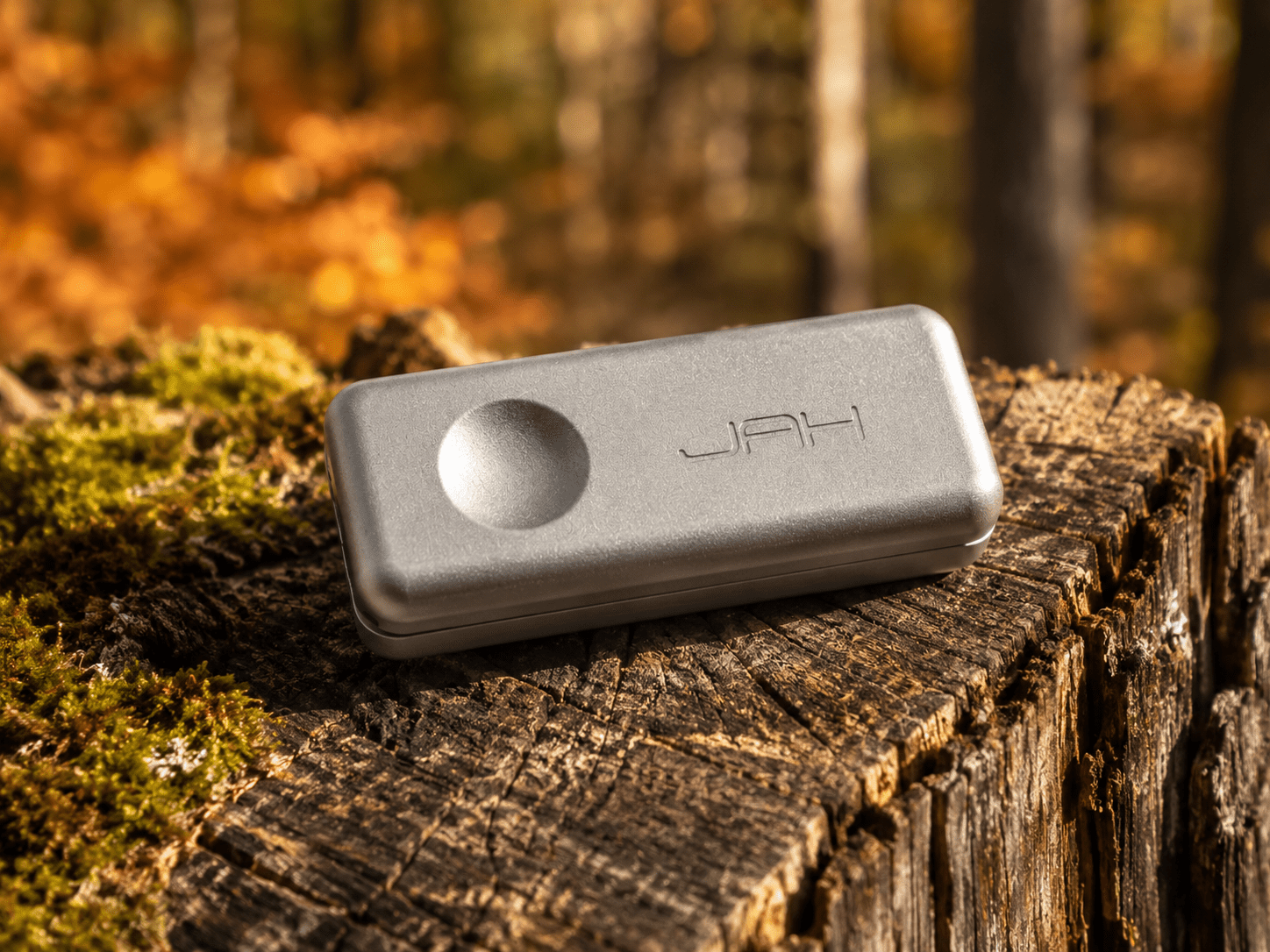
Metal pipes have a reputation: durable, travel-friendly… and “too hot.”
Sometimes that’s true—especially with cheap, thin metal pipes.
But heat isn’t automatically a flaw. And when it comes to JAH Pipes, overheating should not happen under normal use, and it does not indicate a manufacturing defect.
Here’s the real explanation: the bowl area can warm up because metal conducts heat. That’s normal physics. The question is whether that heat turns into an uncomfortable experience in your hands and lips—and that’s where design and airflow decide everything.
This guide explains:
- why metal can feel hotter than other materials
- what actually causes “too hot” experiences
- how draw technique changes heat instantly
- why JAH’s food-grade anodized aluminum + TeslaFlow™ is built to reduce the heat problem
First: Is it normal for a metal pipe to warm up?
Yes. Metal conducts heat, so when you apply a flame, the area near the flame will absorb and carry heat.
For JAH Pipes, the bowl zone warming during lighting is normal and not a defect. JAH is made from food-grade anodized aluminum, so it’s expected that the bowl absorbs direct heat while the material is burning.

What matters is what happens next: the smoke shouldn’t arrive hot and harsh at your mouth, and the body shouldn’t become uncomfortable to hold with normal technique.
Why some metal pipes “get too hot” (the real reasons)
1) Cheap, thin metal = fast heat spike
Thin walls heat up quickly. Cheap metal builds often have:
- minimal mass (so temperature spikes instantly)
- hot spots where you naturally grip
- short, direct airflow paths that feel harsher
2) Bad heat layout (hot zone overlaps with touch points)
A pipe feels “too hot” when the hot zone spreads into:
- the area you grip
- the mouthpiece area
- the parts you must touch to use it
If your fingers live where the heat lives, you’re going to feel it.
3) Aggressive draw makes heat worse
When airflow feels tight, people pull harder. Hard pulls:
- intensify combustion
- increase heat
- make hits feel hotter and rougher
A pipe that encourages slow, steady pulls will feel calmer than one that forces you to “fight” it.
Material vs design: what matters more?
Material affects heat transfer, but design decides whether heat becomes a problem.
Glass doesn’t conduct heat the same way, but short glass pipes can still deliver hot, harsh hits because the path is short and direct.
Metal can conduct more heat, but smart design can isolate the hot zone and manage how heat feels in the draw.
So “metal gets too hot” is usually shorthand for:
- cheap build
- short path
- uncomfortable layout
- rushed technique
Why JAH shouldn’t overheat in normal use
JAH Pipes are designed so the bowl may warm (normal), but the overall experience stays comfortable when used correctly.
Food-grade anodized aluminum (why the bowl warms, and why it’s normal)
Anodized aluminum is a stable, durable material used in products that need real-world resistance. It also conducts heat—so the bowl area will naturally absorb heat during lighting. That’s expected.
TeslaFlow™ (why the draw can feel cooler and smoother)
JAH’s TeslaFlow™ is an internal airflow design inspired by Nikola Tesla’s valvular conduit concept. In practical terms, it extends the smoke’s path through curved, labyrinth-style routing.
That longer internal route gives heat more time to dissipate before it reaches your mouth, so the draw is positioned to feel cooler and more controlled than short, straight-shot designs.
Bottom line: bowl warmth is normal; the point is that smoke cools internally, so the pipe shouldn’t burn your hands or lips during normal use.
The fastest way to reduce heat right now (works on any pipe, best on JAH)
If you’ve ever had a “hot metal pipe” moment, these changes are immediate:
1) Corner-light instead of torching the whole bowl
Light one edge of the bowl and let it spread. This reduces intensity and keeps the burn calmer.
2) Pull slower than your instinct
Think “sip,” not “vacuum.” Slower pulls reduce combustion spikes and heat.
3) Use short pulls with small pauses
Heat stacks when you chain pulls. A pause keeps the next pull smooth.
These aren’t “tips.” They’re the difference between controlled and harsh.
When heat is normal vs when something is off
Normal
- the bowl area gets warm during lighting
- the draw stays comfortable with slow pulls
- the body remains holdable with normal grip
Not normal (usually technique or pack issue)
- you’re torching the bowl for too long
- you’re pulling hard to keep it lit
- the bowl is overpacked (tight airflow)
- you’re chain-pulling without pauses
If anything ever feels uncomfortably hot, the fix is usually:
lighter pack + corner-light + slower draw.
FAQ (H2)
Is it normal for the bowl area of a JAH metal pipe to get warm?
Yes. Because JAH is made from food-grade anodized aluminum, it’s normal for the bowl zone to absorb direct heat during lighting. That is not a manufacturing defect.
Does TeslaFlow™ prevent hot hits?
TeslaFlow™ is designed to extend and route airflow internally so heat dissipates before smoke reaches your mouth. Combined with slow pulls and corner-lighting, it helps keep the experience smoother and more controlled.
Are metal pipes hotter than glass pipes?
Metal can transfer heat faster, so some metal pipes can feel hotter in-hand. But glass isn’t automatically cool—short glass designs can still deliver hot, harsh hits. Design and draw technique matter more than material alone.
Why do cheap metal pipes feel hotter and harsher?
They’re often thin, short-path, and built with poor heat layout. They can also tighten airflow, which makes people pull harder—raising heat and harshness.
Can I reduce heat just by changing how I inhale?
Yes. Slower pulls, corner-lighting, and brief pauses reduce combustion intensity and heat spikes immediately.
When is heat a sign of a real problem?
If the pipe becomes uncomfortable almost instantly even with gentle technique, or if there are unusual hot spots in normal handling areas, it may indicate a design/build issue. With JAH, excessive heat is typically tied to technique (over-torching, overpacking, pulling too hard).
Share:
How Long Should a Good Smoking Pipe Last?
Small Pipes: Why the JAH Tesla Pipe Changes the Draw